Ulrich Jung · 28 September 2026
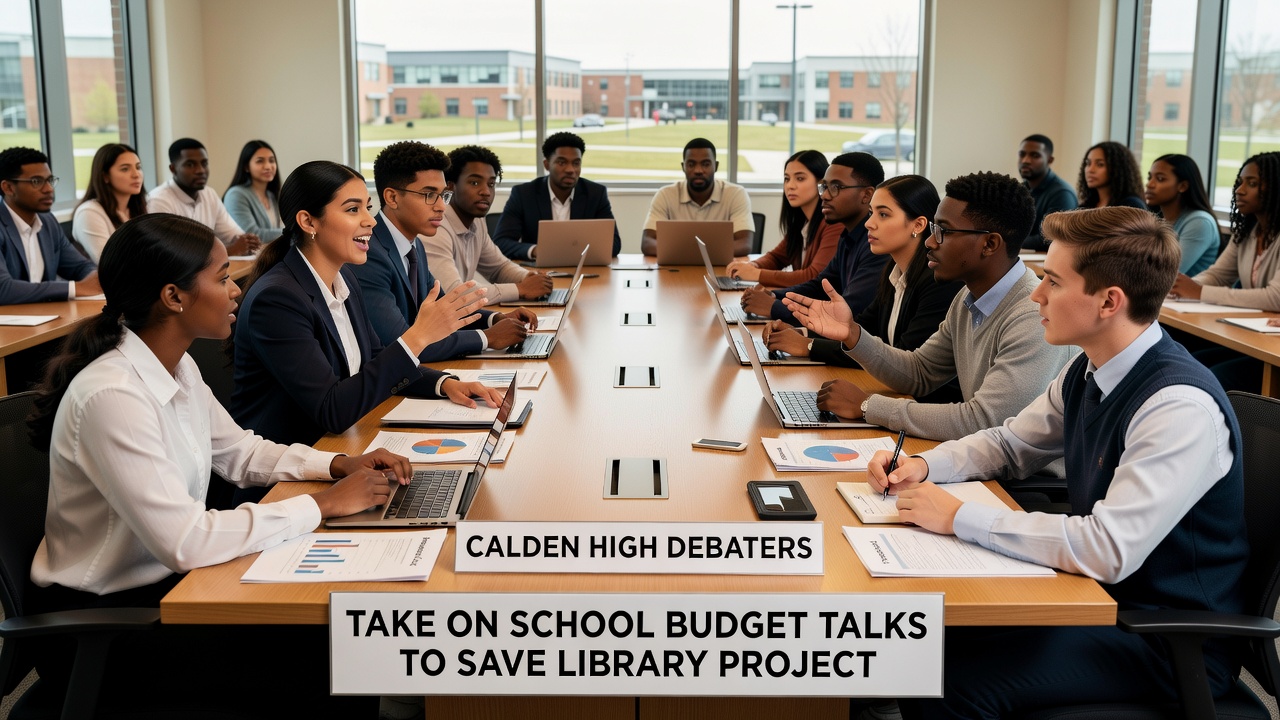
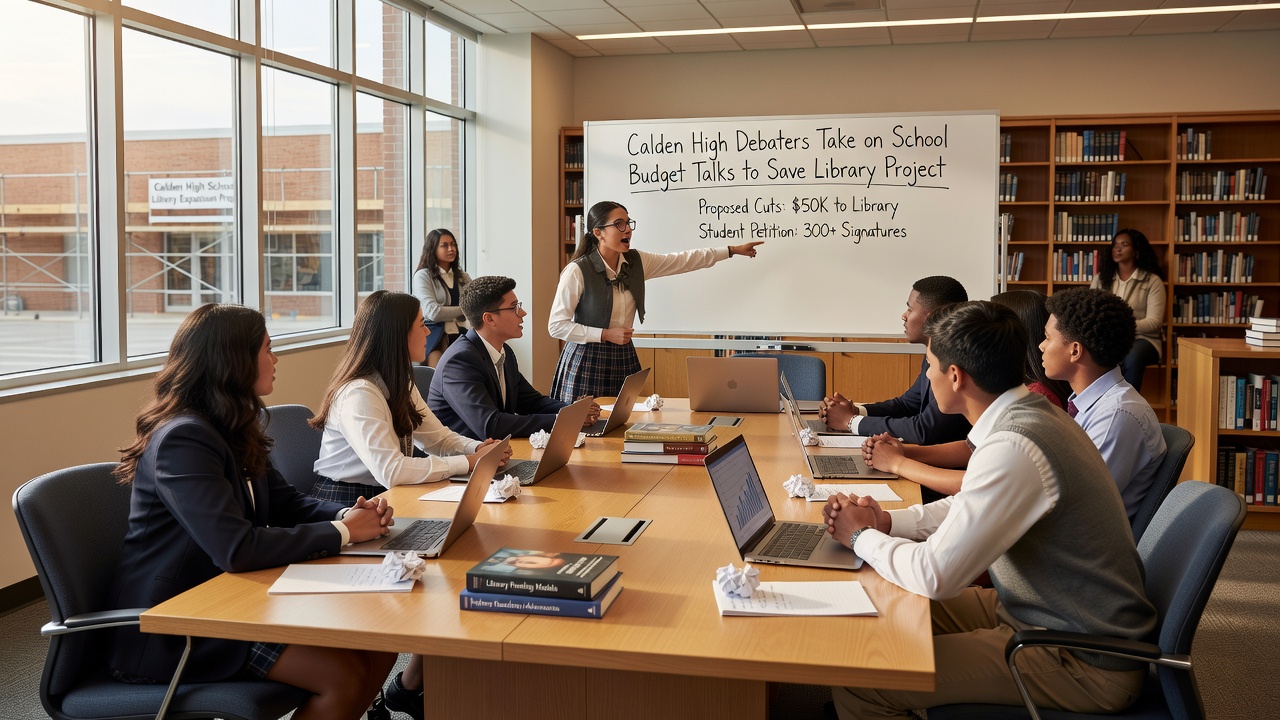
Calden High Debaters Take on School Budget Talks to Save Library Project
In September 2026 the Calden High School debate team stepped into local budget negotiations with the goal of preserving funding for a planned library expansion that had already cleared initial planning stages yet faced potential cuts. The students prepared formal arguments, gathered supporting data on literacy rates, and presented their case to the school board during a series of public sessions that drew attendance from parents, teachers, and community members.
Background on the Library Project
The proposed library upgrades included additional study spaces, updated digital resources, and extended operating hours that school officials had tied to improved student outcomes across multiple grade levels. District records showed the project received preliminary approval in 2025 after a needs assessment revealed overcrowding in existing facilities during peak study periods. Funding sources included a combination of local bonds, state grants, and private donations that together covered construction and equipment costs until recent enrollment shifts prompted a review of all capital expenditures.
Debaters Prepare Their Case
Team members divided research tasks among themselves, focusing on comparative studies from other districts that maintained library investments during similar budget reviews. They collected statistics showing correlations between access to updated library materials and standardized test performance in reading comprehension, then organized the information into structured presentations that addressed both short-term costs and long-term academic benefits. Several debaters practiced delivery techniques in advance, incorporating rebuttal strategies drawn from their competitive experience to anticipate questions from board members about alternative spending priorities such as technology upgrades or athletic facilities.
Budget Talks Unfold in September 2026
Public meetings began early in the month with initial presentations from district administrators outlining projected shortfalls tied to rising operational expenses. Debaters took turns addressing the board during designated public comment periods, using evidence from regional enrollment trends and literacy program evaluations to argue that the library project supported core educational objectives. One session featured a question-and-answer exchange where students responded to concerns about maintenance costs by referencing maintenance data from comparable facilities in neighboring districts that had implemented similar expansions without exceeding annual budgets. Attendance at these meetings increased over successive weeks as word spread through school newsletters and community bulletin boards.
Community and Expert Input
Local educators and library staff contributed supporting statements that highlighted usage patterns among students who relied on the facility for after-school study and research projects. Observers noted that participation from the debate team brought a structured, evidence-based approach to discussions that previously centered on general fiscal constraints. Data compiled by the district indicated that library visits had risen steadily over the previous three academic years, a trend that aligned with broader patterns reported by education agencies across multiple states. Those tracking the proceedings pointed out that student involvement introduced perspectives focused on direct classroom impact rather than solely administrative metrics.
Outcomes and Next Steps
Following the presentations the school board scheduled additional review sessions to examine revised funding scenarios that incorporated elements of the debaters' proposals, including phased implementation options that spread costs over multiple budget cycles. District officials indicated they would solicit further feedback from student representatives before finalizing allocations in upcoming meetings. Records from the September sessions documented specific line items related to the library project that remained under active consideration, with no immediate elimination from the capital plan.
Conclusion
The involvement of Calden High debaters in the budget process demonstrated how student organizations can contribute organized research and public advocacy to local education decisions. As talks continue into later months, the collected arguments and supporting materials remain available for reference in subsequent deliberations. According to figures from the U.S. Department of Education, school library programs have shown measurable links to student achievement in various districts, while reports compiled by Statistics Canada provide additional context on educational resource allocation trends in comparable regions.