Wendy Keller · 26 October 2026
Calden's Outreach Teams Adapt Debate Training Methods for Transit Planning Workshops
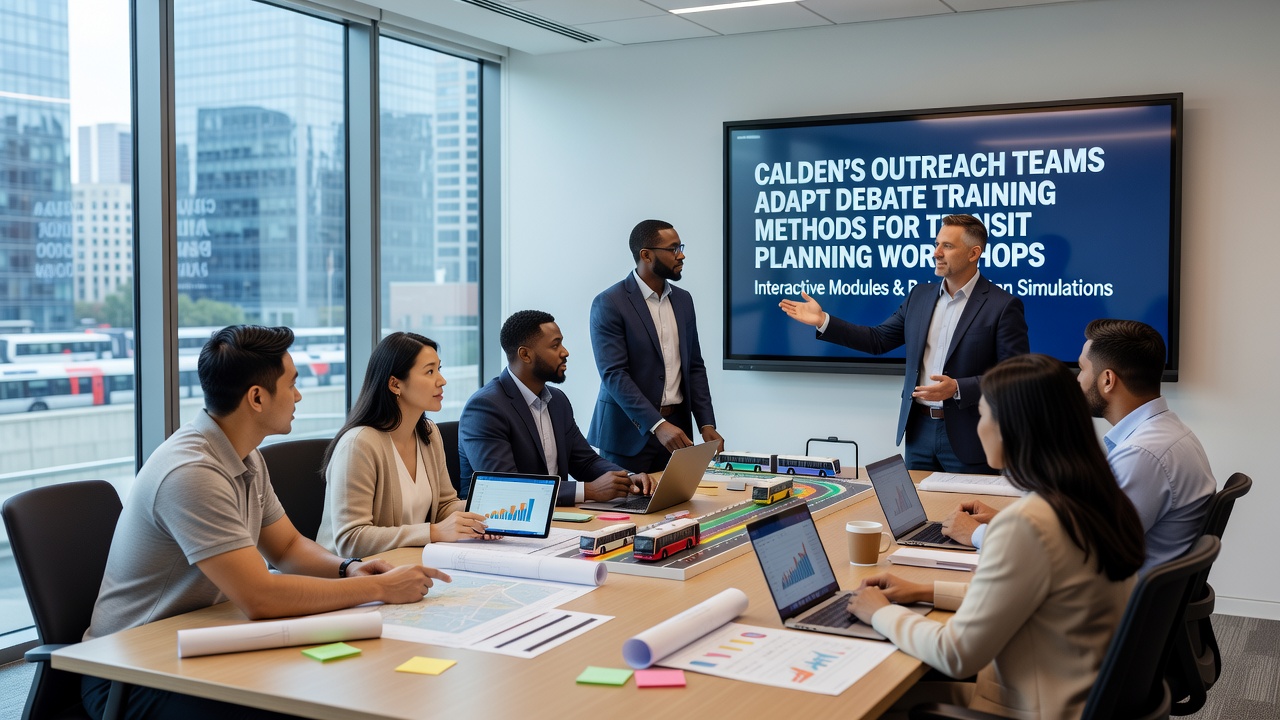
Calden outreach teams have shifted debate training techniques into transit planning workshops since early 2025, adn the approach now structures public input around clear arguments, rebuttals, and evidence review. Teams draw from established debate formats used in high school and college programs, then modify those formats for residents who discuss bus routes, rail extensions, and pedestrian access points. The adaptation process began when planners noticed standard town hall meetings produced scattered comments rather than focused options, so organizers introduced timed speaking slots, evidence packets, and moderator prompts that mirror cross-examination rounds.
Core Methods Transferred from Debate Training
Participants receive briefing materials that outline existing transit data, projected ridership figures, and cost estimates before each session. They practice constructing opening statements that cite specific numbers, then respond to counterpoints raised by others at the table. Facilitators track speaking time and ensure each side addresses the same criteria, such as equity across neighborhoods or environmental impact measures. Research from urban planning departments shows this format increases the number of distinct proposals generated per meeting compared with open-floor discussions.
One workshop held in March 2026 tested the model on a proposed downtown circulator line. Residents formed teams that defended or challenged alignment choices, and each team presented maps, travel time calculations, and ridership estimates drawn from city reports. The session concluded with a ranked list of three alignment options that staff later incorporated into the draft environmental assessment.
October 2026 Workshop Series Expands Reach
October 2026 marks the largest rollout yet, with six workshops scheduled across Calden districts. Organizers added evening sessions and provided translated materials in Spanish and Vietnamese after attendance data from prior events indicated gaps in participation. Each session follows a four-stage sequence: policy overview, small-group argument construction, moderated exchange, and consensus mapping. Transit agency staff record all proposals and publish summaries within two weeks, allowing residents to verify accuracy.
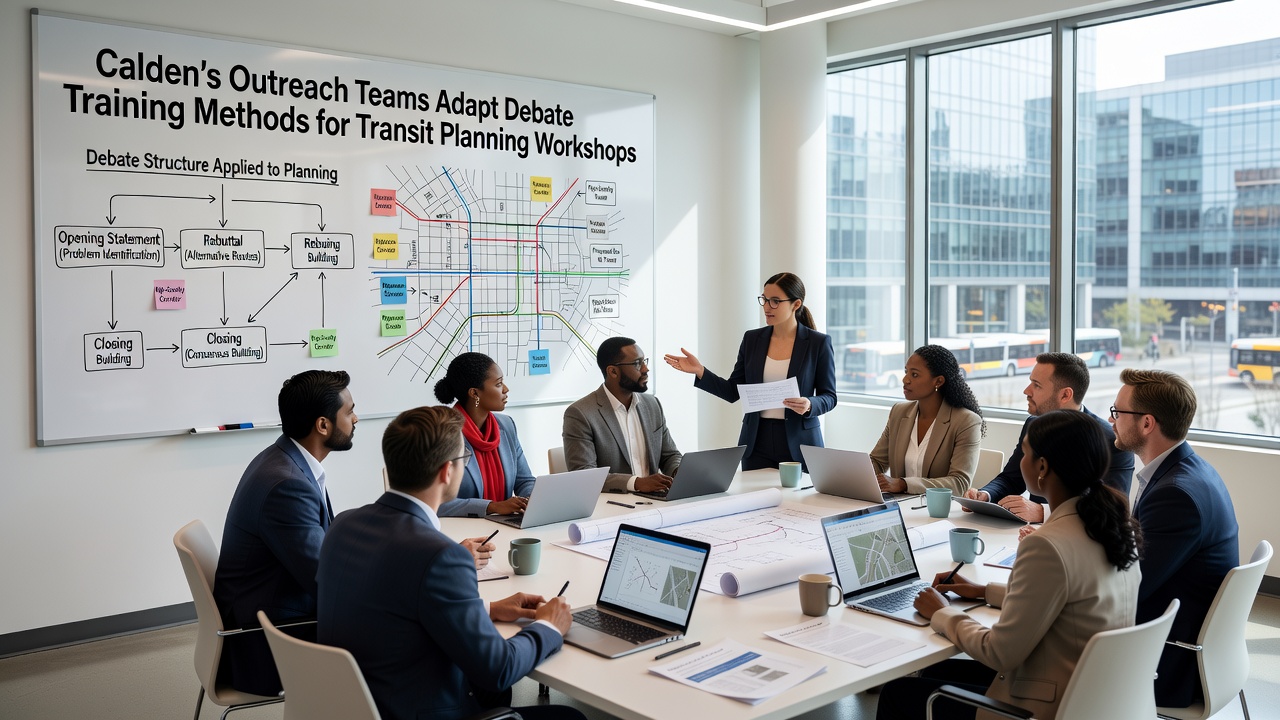
Data collected through these sessions feed directly into the regional transportation model maintained by the Calden Metropolitan Planning Organization. Model updates incorporate the ranked preferences and supporting evidence submitted by participants, which then influence project scoring for federal and state funding applications. Observers note that the structured format reduces repetition of concerns and surfaces trade-offs that staff previously addressed only after formal comment periods closed.
Integration with Existing Planning Requirements
Local regulations require public engagement records before major transit investments advance, and the adapted debate format produces documented evidence trails that satisfy those rules. Teams archive each argument, rebuttal, and final ranking alongside demographic notes on participants. This archive helps planners demonstrate that outreach reached multiple income levels and transit user groups rather than a single vocal segment.
Similar programs appear in other regions. A study released by the Transportation Research Board examined debate-style workshops in three mid-sized U.S. cities and found higher rates of follow-up participation when residents received structured feedback on how their input shaped later decisions. Calden planners reviewed that report and adjusted their own feedback loop to include direct links to updated project pages.
Training for Facilitators and Resident Volunteers
Outreach coordinators completed a two-day certification course that covers neutral moderation, evidence evaluation, and conflict de-escalation drawn from collegiate debate leagues. Volunteers from local schools assist with timekeeping and note-taking, which keeps staffing costs low while giving students applied experience in civic processes. Session materials stay consistent across locations, yet each district customizes examples to reflect its specific bus or rail corridors.
Attendance logs from the first three October 2026 workshops show 184 total participants, with 62 percent attending a transit-related meeting for the first time. Post-session surveys ask participants to rate clarity of discussion rules and usefulness of provided data; early results indicate average scores above 4.2 on a five-point scale.
Conclusion
The shift toward debate-adapted methods continues to evolve as Calden outreach teams collect performance metrics and resident feedback. Future sessions will test hybrid online and in-person formats that preserve timed speaking structures while expanding access. Planning documents now reference the workshop outputs as formal components of the project development pipeline, and staff continue to refine evidence packets based on the most common questions raised in prior rounds.