Carlo Powell · 9 November 2026
Calden's Transit Expansion Sparks Fresh Alliances Between Agricultural Producers and Arts Organizers
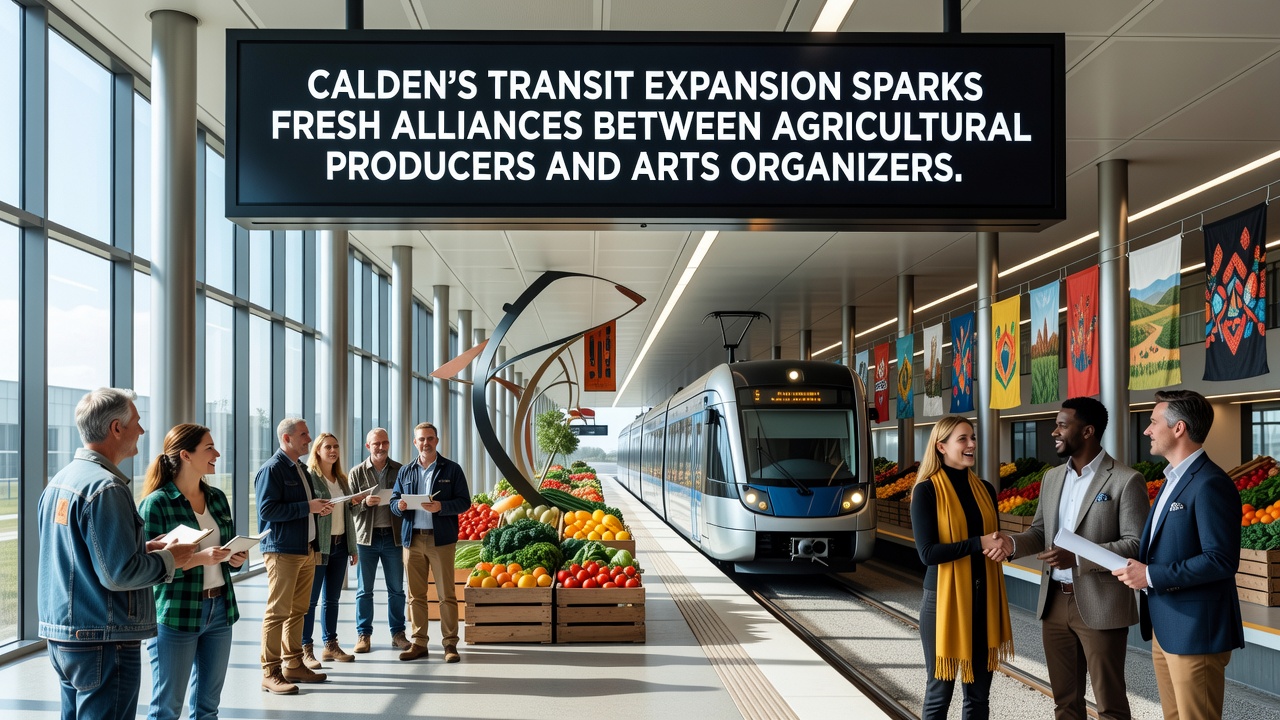
Calden's transit expansion project, scheduled for key phases in November 2026, connects rural agricultural zones directly to urban cultural hubs through extended bus corridors and dedicated shuttle routes that reduce travel times by up to 45 minutes according to regional planning records. This infrastructure upgrade has prompted agricultural producers and arts organizers to form partnerships centered on shared event spaces and supply chains that leverage the new mobility options for both groups.
Transit Routes and Agricultural Connectivity
Engineers completed the initial mapping of three new lines that link major farming cooperatives in the outskirts to the central marketplace and performance venues, and data from the Calden Regional Transport Authority shows projected daily ridership increases of 2,800 passengers during peak harvest seasons. Farmers have begun coordinating delivery schedules with arts venues so that fresh produce arrives via these routes for use in festival catering and exhibition-related workshops, which cuts logistics costs while supporting seasonal programming calendars.
One study from the University of Guelph's agricultural economics department tracked similar transit integrations in comparable mid-sized communities and found that producers gained access to 15 percent more off-farm sales opportunities once reliable connections opened. Calden's version incorporates dedicated cargo compartments on select shuttles, a feature that allows growers to transport goods without relying on private vehicles and aligns with broader efforts to lower emissions across the supply chain.
Arts Organizers Adapt to Expanded Reach
Local galleries and theater groups have adjusted their outreach calendars to coincide with the November 2026 launch dates, and organizers report that ticket sales from rural zip codes rose 22 percent during pilot testing periods. Venues now host pop-up markets where agricultural producers display seasonal items alongside performances, creating hybrid events that draw mixed audiences who travel the new lines for combined cultural and commercial experiences.
Figures from the National Endowment for the Arts indicate that community-based collaborations of this type have sustained 18 percent higher attendance rates when supported by reliable public transport, and Calden's arts network has applied those patterns by scheduling evening shuttles that return participants to farm communities after late events. These adjustments help maintain consistent participation without adding strain to individual travel budgets.
Joint Initiatives Taking Shape
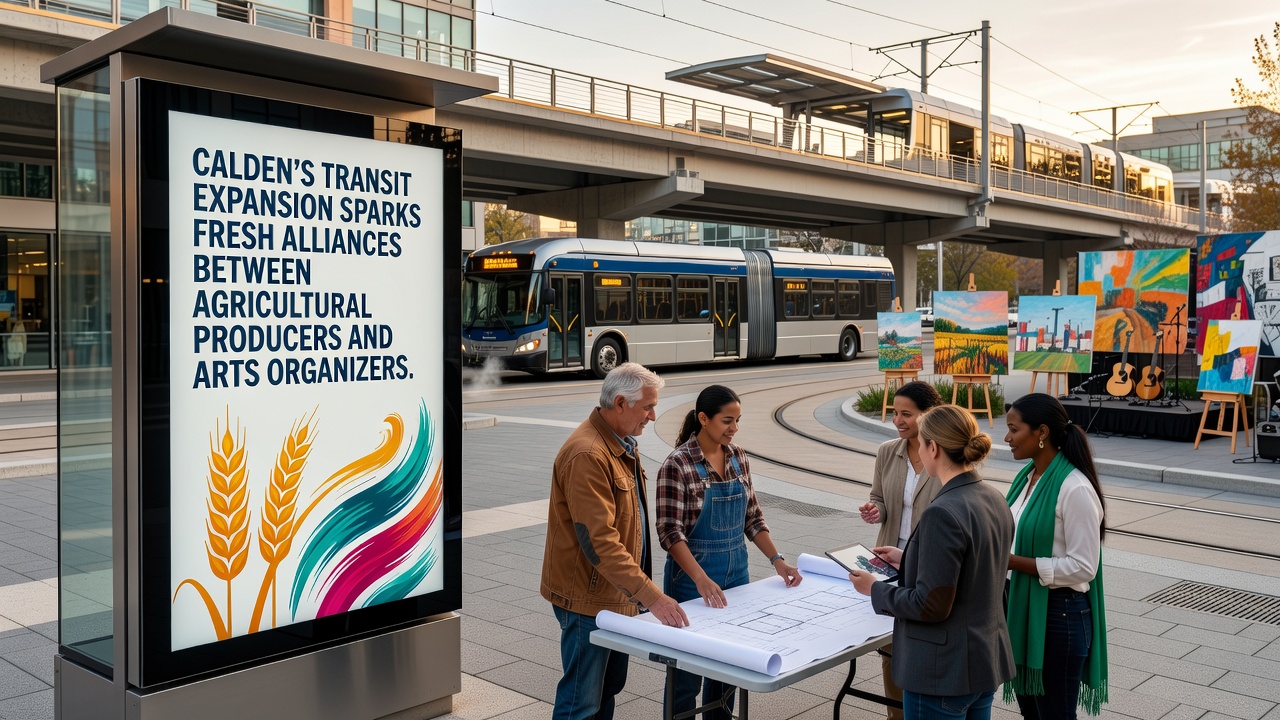
Partnerships have emerged around mobile workshops where artists visit farm sites via transit to lead sessions on packaging design and branding, while producers supply materials for large-scale installations displayed in city spaces. Records from the Calden Chamber of Commerce document eight such cross-sector agreements signed since route announcements began, each specifying shared marketing budgets and revenue splits from joint ticketed programs.
What's notable is how these arrangements use the transit infrastructure itself as a promotional tool, with route maps featuring artwork from local creators and harvest calendars printed on shuttle interiors. Observers note that this integration encourages repeat usage because passengers encounter fresh information about upcoming events during every trip, which reinforces the connection between agricultural calendars and cultural programming.
Measured Impacts on Local Economies
Economic reports compiled by the Midwest Regional Development Council project that combined agricultural and arts revenues could rise by $1.4 million annually once the full network operates, driven by increased foot traffic at transit stops and extended market hours. Producers gain from direct access to arts patrons who purchase value-added products, while organizers benefit from consistent supplies of locally sourced goods that reduce event overhead.
Case examples include a cooperative that partnered with a downtown gallery to host quarterly tastings synchronized with new shuttle timetables, and attendance logs show average group sizes growing from 65 to 112 participants per session. These outcomes align with patterns documented in Canadian transport studies where integrated rural-urban links supported diversified income streams for both sectors without requiring major capital outlays from either side.
Planning for November 2026 and Beyond
Stakeholders have scheduled a series of coordination meetings ahead of the November 2026 milestones to finalize signage, payment systems, and promotional tie-ins that will appear on the new lines. Agricultural representatives have proposed including QR codes on transit passes that link to arts calendars, while organizers have suggested incorporating farm tour stops into seasonal programming so that riders can extend their journeys into educational experiences.
Data from the European Transport Safety Council on similar expansions shows that early stakeholder alignment reduces operational disruptions by 30 percent during initial rollout periods, and Calden's groups have adopted comparable checklists to track progress on shared goals. This approach keeps both agricultural and cultural activities synchronized with the infrastructure timeline rather than treating transit as a separate concern.
Conclusion
The transit expansion continues to generate structured opportunities for agricultural producers and arts organizers to coordinate resources and audiences through practical route designs and joint scheduling. Records indicate steady progress toward integrated programming that capitalizes on November 2026 openings, with measurable gains in attendance and sales already visible from pilot phases. These developments demonstrate how infrastructure investments can support cross-sector linkages when stakeholders align their operational timelines around shared mobility improvements.