Anna Washington · 12 October 2026
Record Agricultural Yields Fuel Discussions on Infrastructure and Cultural Investments
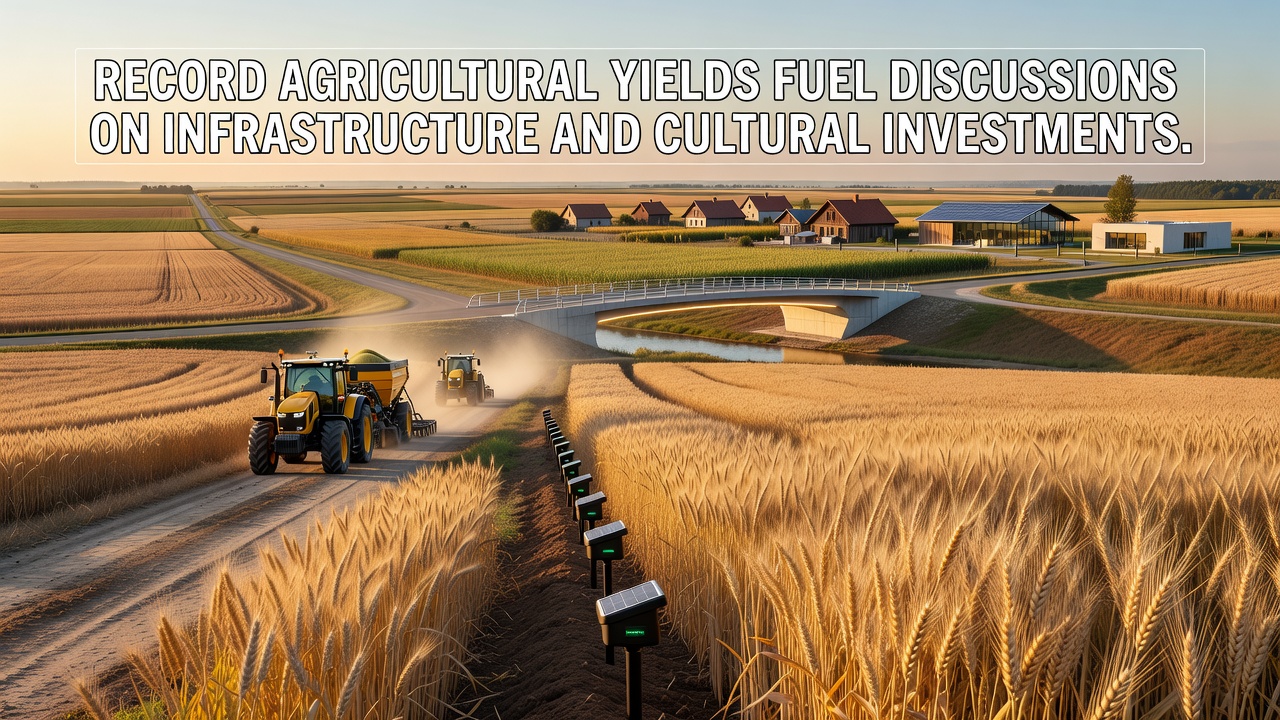
Record agricultural yields have emerged across multiple regions in 2026, and these figures have prompted local leaders along with business groups to examine how increased revenues might support upgrades in roads, water systems, and public facilities. In Calden, harvest data collected through October 2026 showed production levels that exceeded previous five-year averages by substantial margins, according to regional agricultural reports. Farmers harvested higher volumes of staple crops while market prices remained steady, which created additional funds available for community projects. Observers note that these outcomes stem from favorable weather patterns combined with advances in seed technology and irrigation practices that have been adopted over recent seasons.
Yield Data and Economic Context
Figures released in late October 2026 indicated that corn output reached 185 bushels per acre in monitored Calden fields, while soybean yields averaged 52 bushels per acre, both surpassing benchmarks set by the United States Department of Agriculture. Wheat production followed similar trends with increases of 18 percent compared to 2025 totals. These results generated an estimated $47 million in additional farm income for the county, data compiled by local extension offices revealed. Economic analysts at research institutions tracked how the surplus revenue circulated through equipment suppliers, transportation firms, and retail outlets that serve the agricultural sector. One study from the Economic Research Service highlighted that such yield spikes often lead to accelerated spending on capital improvements when producers reinvest portions of their earnings.
Similar patterns appeared in other growing areas, yet Calden's combination of soil quality and access to regional markets positioned it to realize larger gains. Cooperatives reported stronger balance sheets, and lending institutions noted higher deposit levels from farm accounts during the same period. This financial uptick coincided with state-level discussions about matching grants for infrastructure that could handle heavier equipment traffic and expanded storage needs.
Infrastructure Priorities Under Review
County officials began reviewing proposals to widen key farm-to-market routes and reinforce bridges that now carry increased loads from larger harvesting equipment. Water management districts examined expansion of irrigation canals and drainage systems to protect against both drought and excess rainfall events that have occurred in alternating years. Planners calculated that targeted road improvements could reduce transport times by 22 percent for grain haulers traveling to rail terminals located 35 miles outside Calden limits. Federal highway data supported these estimates by showing correlations between surface quality and fuel efficiency on comparable routes in neighboring states.
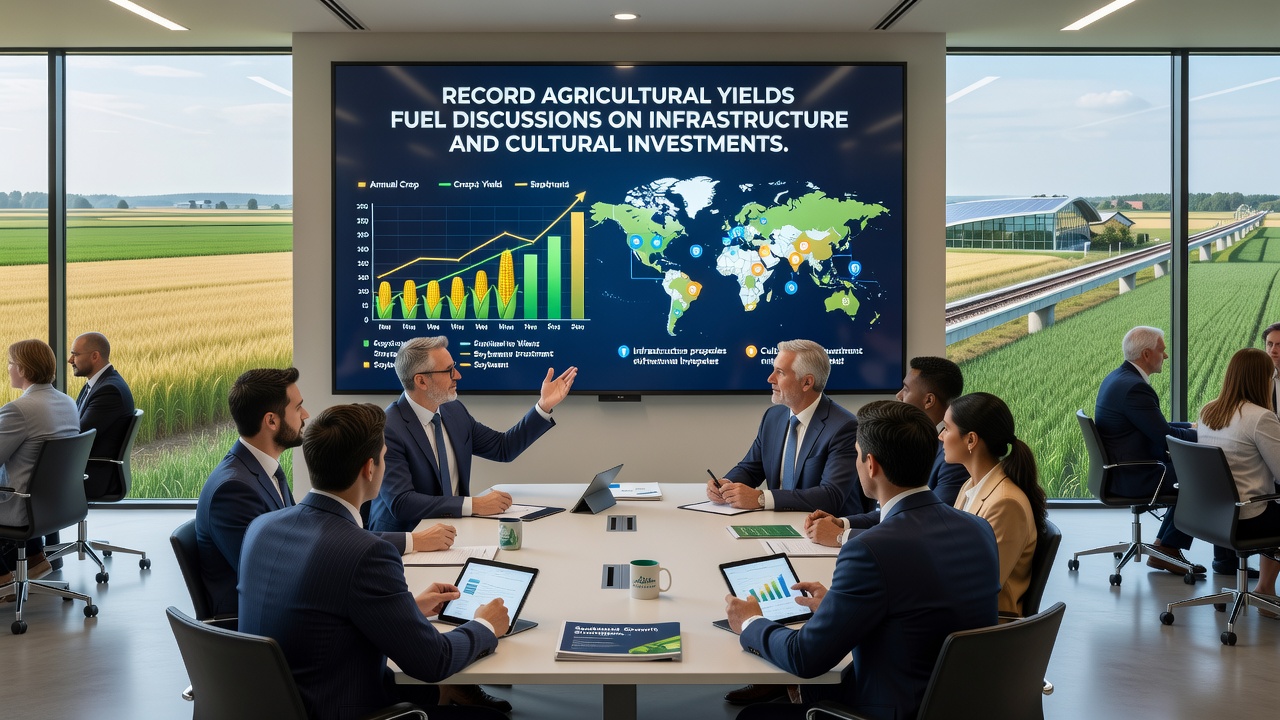
Utility providers also joined the conversation after experiencing peak demand periods that strained existing electrical substations during harvest. Proposals included installation of solar arrays at grain elevators to offset daytime loads, and preliminary engineering reviews suggested payback periods under seven years given current energy rates. These infrastructure conversations extended to broadband expansion, because precision agriculture tools now require reliable connectivity for real-time data transmission from field sensors. A pilot program launched in adjacent counties demonstrated yield monitoring improvements of 9 percent when connectivity reached remote parcels.
Cultural Investment Conversations
Alongside physical infrastructure talks, community organizations raised questions about allocating portions of the economic surplus toward cultural facilities. Library expansion plans and performing arts venue upgrades surfaced in public forums held during September and October 2026. Historical societies presented restoration projects for heritage buildings that could serve dual purposes as event spaces and educational centers. Attendance records from past community festivals showed consistent growth in participation, which encouraged organizers to seek permanent venues that accommodate larger crowds without weather-related cancellations.
Arts councils compiled lists of potential programming that ranged from youth music workshops to traveling exhibit partnerships with regional museums. Funding models under consideration included public-private partnerships where agricultural businesses contribute matching amounts for specific projects. Similar arrangements in other Midwestern counties produced new gallery spaces and community theaters within three-year timelines, according to documentation from the National Endowment for the Arts. Local boards examined these precedents to determine which elements might transfer effectively to Calden's scale and demographic profile.
Stakeholder Engagement and Next Steps
Public meetings scheduled through November 2026 aim to gather input from producers, residents, and business owners on priority rankings. Survey instruments distributed by planning departments collected responses on whether infrastructure or cultural items should receive earlier funding commitments. Preliminary tallies indicated strong support for both categories, with road improvements ranking highest among respondents who identified as farm operators. Cultural projects drew broader backing from town residents who cited quality-of-life factors in their comments. Facilitators compiled these findings into summary reports that will inform budget deliberations set for early 2027 sessions.
Conclusion
Record yields documented through October 2026 have created measurable economic capacity that local decision-makers now weigh against competing investment needs. Infrastructure upgrades address immediate operational requirements for the agricultural sector, while cultural projects target longer-term community development goals. The sequence of public discussions and data reviews continues to shape how these resources will be directed in coming budget cycles.